
Snake
to the
Metaverse
From pixelated dots crawling across a Nokia screen to sprawling open-world RPGs streamed over 5G — mobile gaming has rewritten what it means to play. Here is the full story, decade by decade.
The Humble Beginnings:
Pre-Smartphone Era
Back when "apps" weren't even a word, mobile gaming was a quirky little bonus on your device — and somehow, it was completely irresistible.
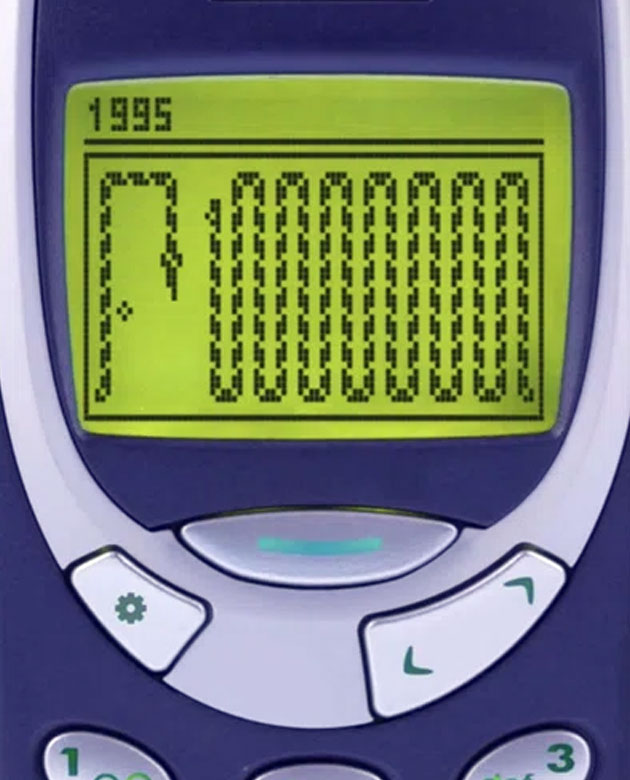
Monochrome screens, weak processors, almost no storage — think Nintendo Game Boy or the indestructible Nokia 3310. These weren't gaming machines by design, yet they sparked a genuine obsession. The constraints were severe: no colour, tiny RAM, single-speaker bleeps. But developers made every pixel count, and players responded with an enthusiasm nobody had predicted.
Gameplay ruled above all else. Tetris, Snake, and early downloadable titles like Space Impact proved you didn't need fancy graphics to get hooked. These games were addictive in the purest sense — hours spent chasing high scores on a tiny screen, with nothing but a handful of pixels and sheer willpower driving you forward. No tutorials, no checkpoints. Just start, die, restart, improve.
The late '90s quietly changed everything with Java ME — a technology that allowed users to download tiny games directly to their phones over mobile networks. Space Impact arrived over the air on Nokia devices, and suddenly your phone could do a little more than call and text. It was a small crack in the door that would eventually blow wide open. Carriers began offering downloadable content libraries, and the concept of "mobile gaming as a service" was born — years before anyone called it that.
Gaming was mostly solo. Your phone was your personal arcade, and beating your own best score was the ultimate win. No leaderboards, no social feeds — just you, the screen, and the relentless pursuit of one more point.

The Revolution:
Dawn of the App Store
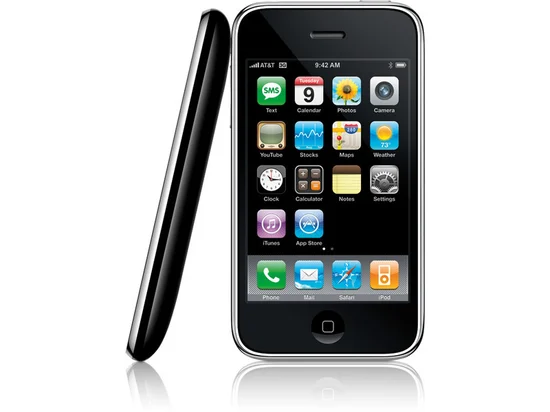
Everything changed in 2007 when the iPhone arrived. What followed was a golden age that nobody had planned for — but that everyone wanted a piece of.
Touchscreens, accelerometers, always-on internet — smartphones suddenly had superpowers. The original iPhone's multi-touch display transformed how we interacted with games entirely; tapping, swiping, and tilting replaced every physical button. The App Store launched in July 2008 and Google Play followed. Downloading a game became a five-second decision. By 2010 there were 250,000 apps; by 2012 that number had crossed one million.
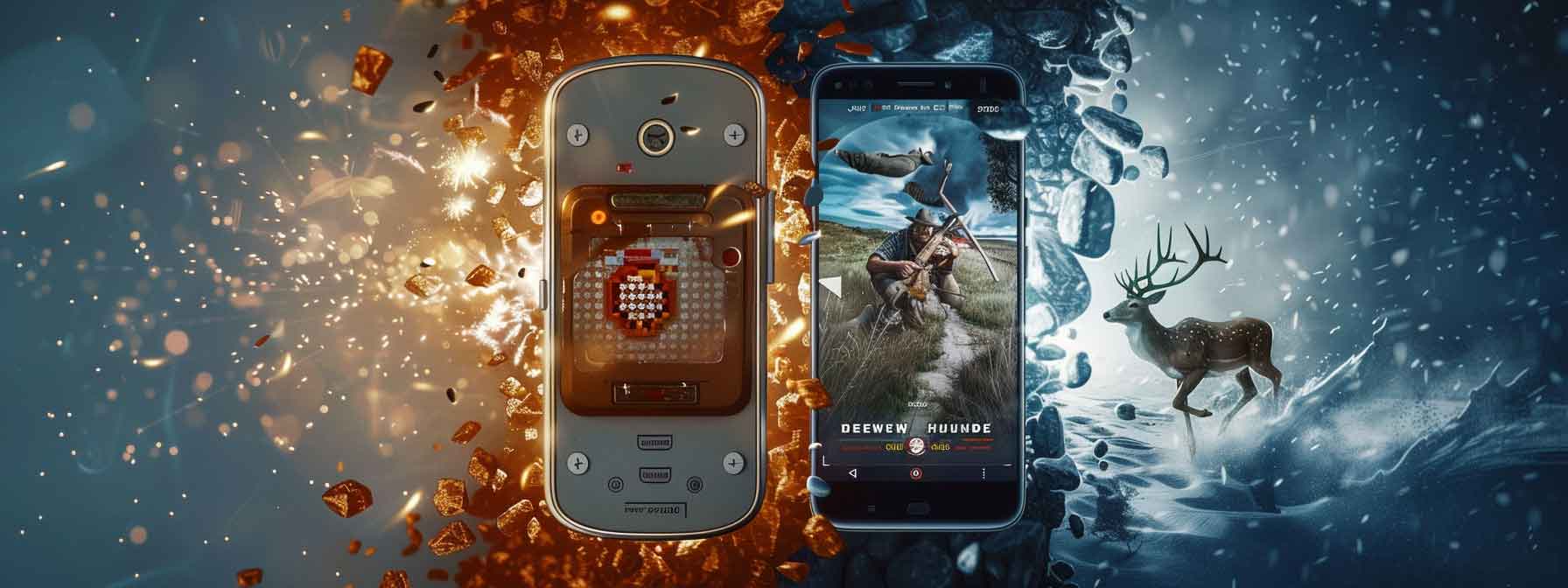
Casual gaming exploded across every demographic. Angry Birds, Fruit Ninja, and Doodle Jump dominated screens worldwide. Racing hits like Real Racing showed that mobile could handle serious simulation, while life sims like The Sims Mobile proved that depth and storytelling worked on a small screen. Glu Mobile titles like Deer Hunter and Kim Kardashian: Hollywood reached audiences that had never once touched a games console — unlocking hundreds of millions of new players who didn't know they were gamers until they were.
Freemium became king — and it changed the economics of gaming forever. Games were free to download and play, but paying for extra lives, power-ups, in-game currency, or cosmetic upgrades became the standard revenue engine. Candy Crush Saga exemplified this model perfectly, generating hundreds of millions in revenue from a game that cost nothing to start. Many publishers leaned hard into freemium to keep players engaged and monetised over months and years, rather than treating each game as a one-time boxed sale.
Touchscreens + app stores + freemium = a golden age. Anyone could play, and developers discovered a new way to thrive financially — without ever charging a penny upfront. The barrier to gaming collapsed entirely.


The Connected Era:
Multiplayer & Social Domination
Phones weren't just tools anymore — they became social hubs. And games followed, turning from solo pursuits into shared cultural experiences that connected millions of strangers.
Faster 4G networks, significantly improved GPUs, bigger and sharper screens — smartphones were levelling up at a staggering pace. What once required a dedicated gaming console now ran smoothly in your palm. Apple's A-series chips began outpacing laptop processors. Android flagships followed. For the first time, a phone in your pocket was genuinely capable of real-time multiplayer gaming with players across the globe.
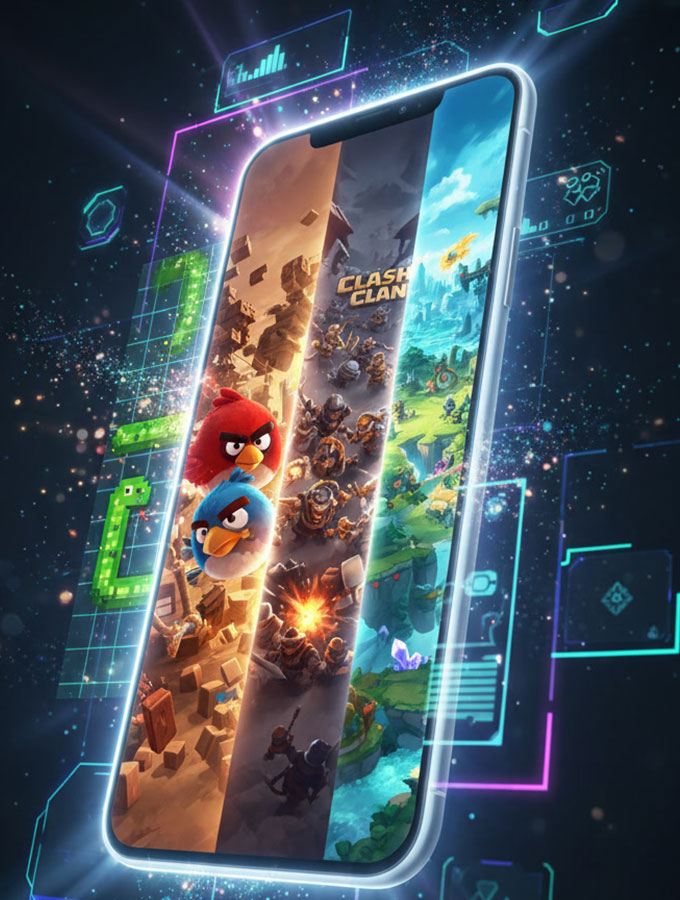
Multiplayer went fully mainstream. City-building games, sports sims, and RPGs actively encouraged collaboration and competition at global scale. Clash of Clans turned millions into clan generals managing armies around the clock. Pokémon GO sent players into the streets in 2016, blending the digital and physical worlds in a way nobody had seen before — parks filled overnight, streets became battlegrounds. Real Racing 3, Star Wars: Galaxy of Heroes, and The Sims Mobile became genuine cultural phenomena, each combining addictive gameplay loops with deep social interaction.
Gaming ceased to be a solitary activity. You managed clans at 2am, traded resources with guild-mates, explored real cities through augmented reality lenses, and shared achievements across social feeds. The freemium model evolved in sophistication — currency packs, premium upgrades, limited-time events, and cosmetic items became standard. Players could invest as much or as little as they wanted, but the truly dedicated could always go deeper. Gaming was no longer a hobby. It was a lifestyle.
Mobile games became full social platforms. Playing wasn't just about winning — it was about belonging. Clans, communities, and shared moments turned mobile gaming into a powerful way to connect with the world around you.


The Modern Powerhouse:
Console-Quality Gaming on Phones
Your phone is now more powerful than the consoles of a generation ago. Mobile is no longer a compromise — it is a destination for serious, immersive play.
Flagship smartphones now pack desktop-class chips — Apple's A17 Pro and Qualcomm's Snapdragon 8 Gen 3 rival dedicated gaming hardware from just a few years ago. High-refresh displays running at 90Hz, 120Hz, or even 165Hz deliver buttery-smooth gameplay, while 5G connectivity makes low-latency cloud gaming a genuine alternative to local hardware. Gaming-focused phones like the ASUS ROG Phone and Black Shark go further still, offering physical shoulder triggers, advanced thermal cooling systems, and ultra-low-latency displays designed exclusively for competitive play.
Mobile is no longer "casual-only." Open-world RPGs like Genshin Impact deliver hundreds of hours of breathtaking content with production values rivalling AAA console titles — all free to start. Battle royales such as Call of Duty: Mobile and PUBG Mobile boast tens of millions of active players and full esports ecosystems. Racing sims like Real Racing 3 offer precise physics and real licensed cars. Glu Mobile hits like Kim Kardashian: Hollywood and Deer Hunter continue to demonstrate that complex, deeply engaging worlds absolutely thrive on phones — reaching audiences that consoles never could.
Freemium mechanics remain a core pillar — but have grown far more sophisticated. Battle passes, seasonal content drops, live events, and cosmetic marketplaces give players compelling reasons to return daily. Cloud gaming is removing the final hardware barrier entirely: why buy a $500 console when a subscription streams the same titles directly to the phone already in your pocket? The line between mobile gaming and traditional gaming is dissolving fast, and mobile is winning the ground war.
Mobile is now a destination for hardcore gamers. Freemium ensures developers keep innovating while players enjoy an endless stream of new content — and the gap between mobile and console narrows with every product cycle.


The Next
Frontier
Awaits
And we are far from done. The convergence of AI, immersive hardware, and decentralised economies is pointing toward a future of mobile gaming that looks nothing like today — and everything like the science fiction we grew up reading.
Three forces are set to redefine play as we know it.
Metaverse & VR/AR
Mobile devices will act as gateways to fully immersive worlds that blend real life and virtual reality — seamlessly and without requiring expensive dedicated hardware. Your phone becomes the portal to persistent digital universes that exist alongside the physical world.
AI-Generated Worlds
Dynamic NPCs that remember your choices, adaptive storylines that evolve in real time, and environments generated on the fly will make every player's journey genuinely unique. No two sessions will ever be identical. The game will know you.
Blockchain & Play-to-Earn
True digital ownership could let players earn, trade, and genuinely invest in their virtual experiences — turning playtime into real economic activity and giving players a genuine stake in the worlds they inhabit and help build.

A Journey
in Your Pocket
From Snake to sprawling RPGs, from racing simulators to life sims, from solo high scores to global clan wars — mobile gaming has transformed from a tiny distraction into a full-blown cultural and technological powerhouse that reaches more people than any other entertainment medium on earth.
The wild part? The device sitting in your pocket right now is already capable of things we couldn't dream of a decade ago. The hardware, the networks, the creative talent — all of it is accelerating simultaneously. The next revolution isn't coming. It is already being coded somewhere, right now.
Got a favourite mobile gaming memory that still makes you smile — or rage? Drop it in the comments below. We want to hear it.
Share Your Memory →